From Milk To Reassurance, Children’s Special Needs Highlighted Amid COVID-19 Pandemic
According to experts, the actions being taken to contain the spread of the coronavirus disease 2019 upended the lives of children and families across the globe and they must be comforted and protected.
A tricycle driver decided to ply his trade in his hometown in Rizal and transport some passengers who were also out in the streets like him, despite the enhanced community quarantine imposed over Luzon starting March 17– not because he was being hardheaded or opposed to it.
He just felt he had no choice.
His young children needed infant formula and the local government units did not seem to have this on hand, based on their pronouncements regarding assistance to be provided to their constituents.
There were passengers who had to go out for groceries or go to work. After earning at least P100 for the day, the tricycle driver would return home and rest. It was impossible to evade authorities all the time; he was pulled over for violating the enhanced community quarantine being implemented to prevent the spread of the coronavirus disease 2019 (COVID-19).
This is just one case. The United Nations Children’s Fund (UNICEF), World Health Organization and World Vision Philippines have highlighted children’s special needs as the world faces the COVID-19 pandemic.
The challenges are complex. In a statement on March 20, the UNICEF said the actions being taken to contain the spread of COVID-19 had upended lives of children and families across the globe due to various disruptions that could have negative consequences on children’s well-being, development and protection.
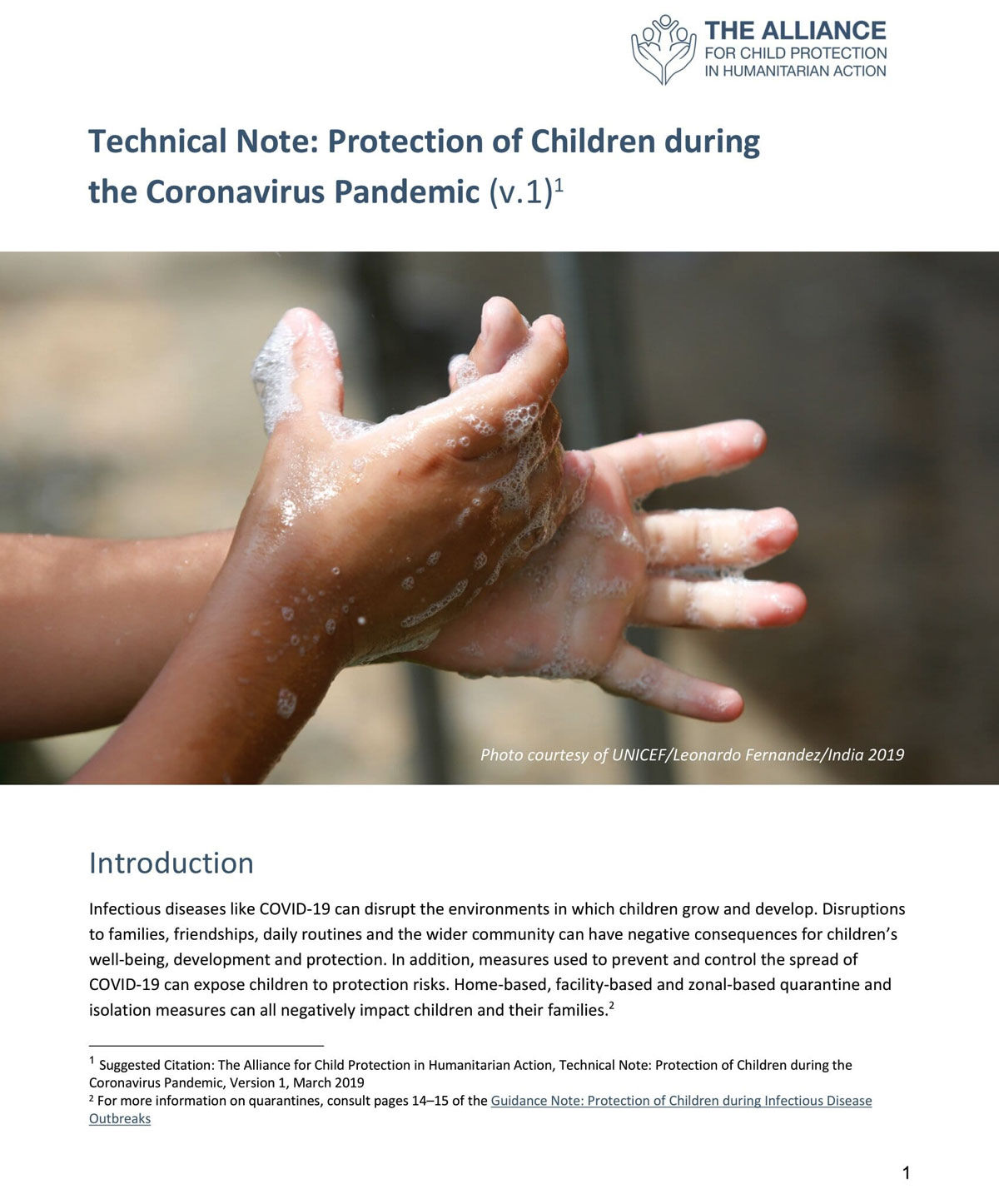
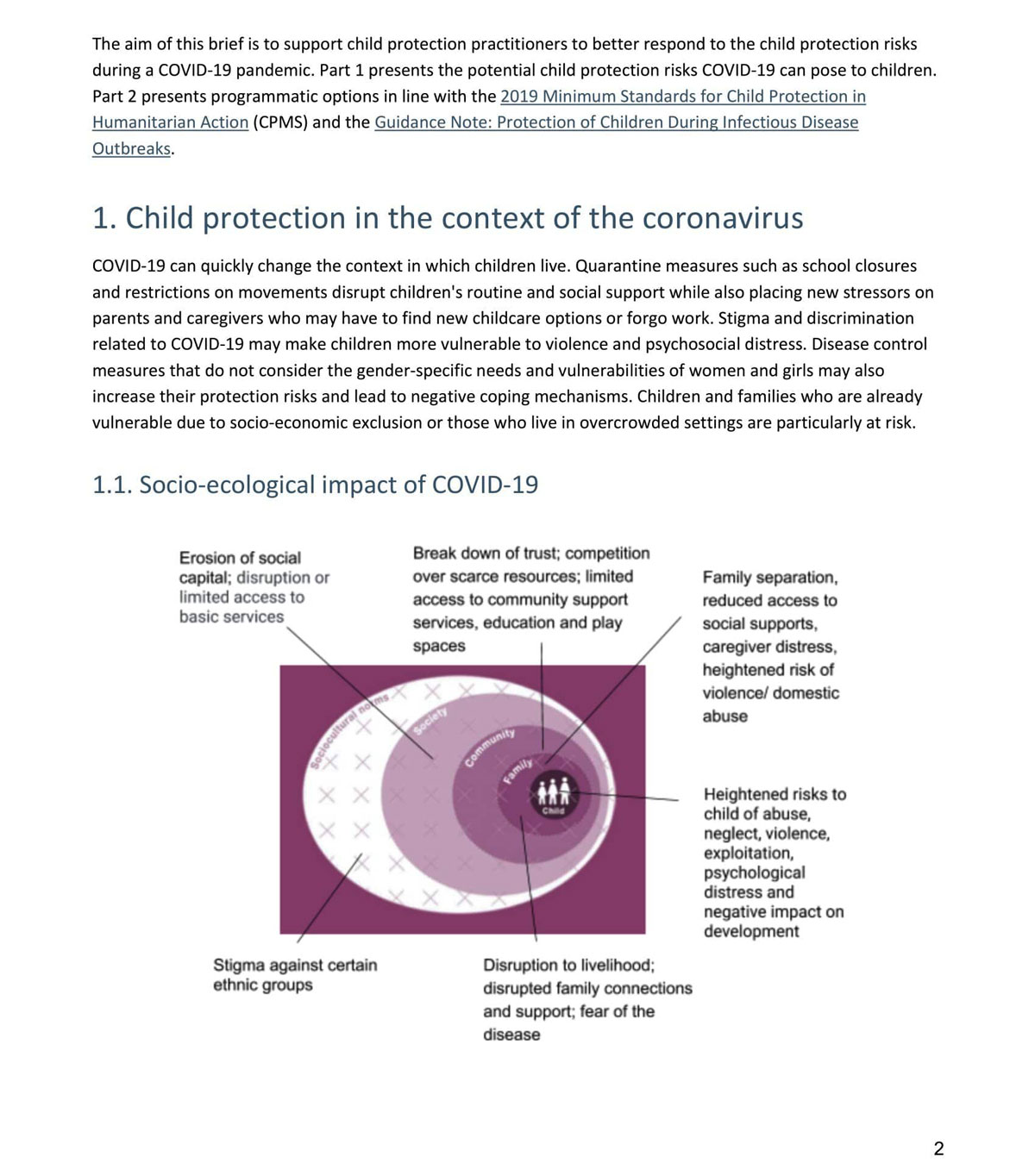
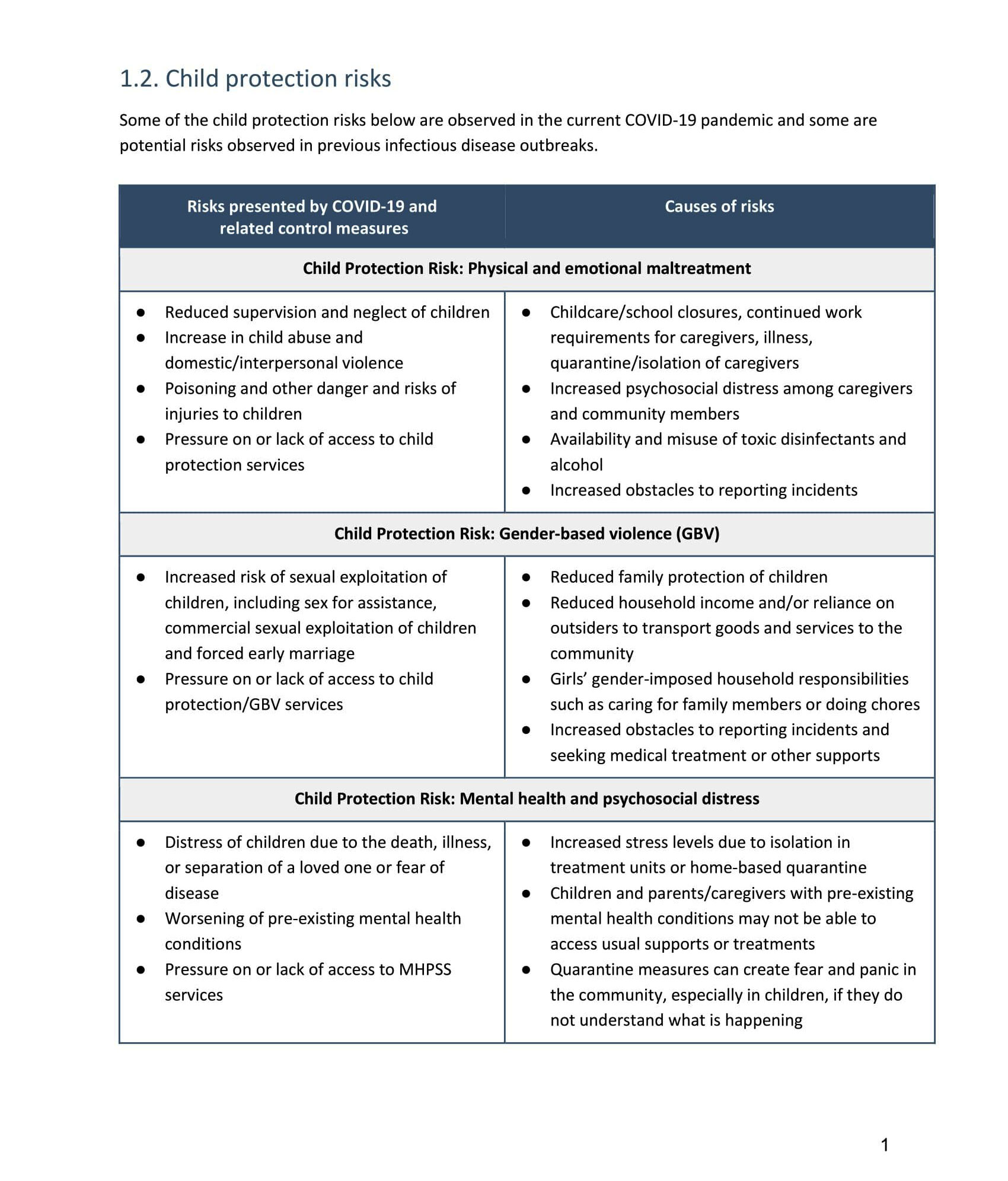
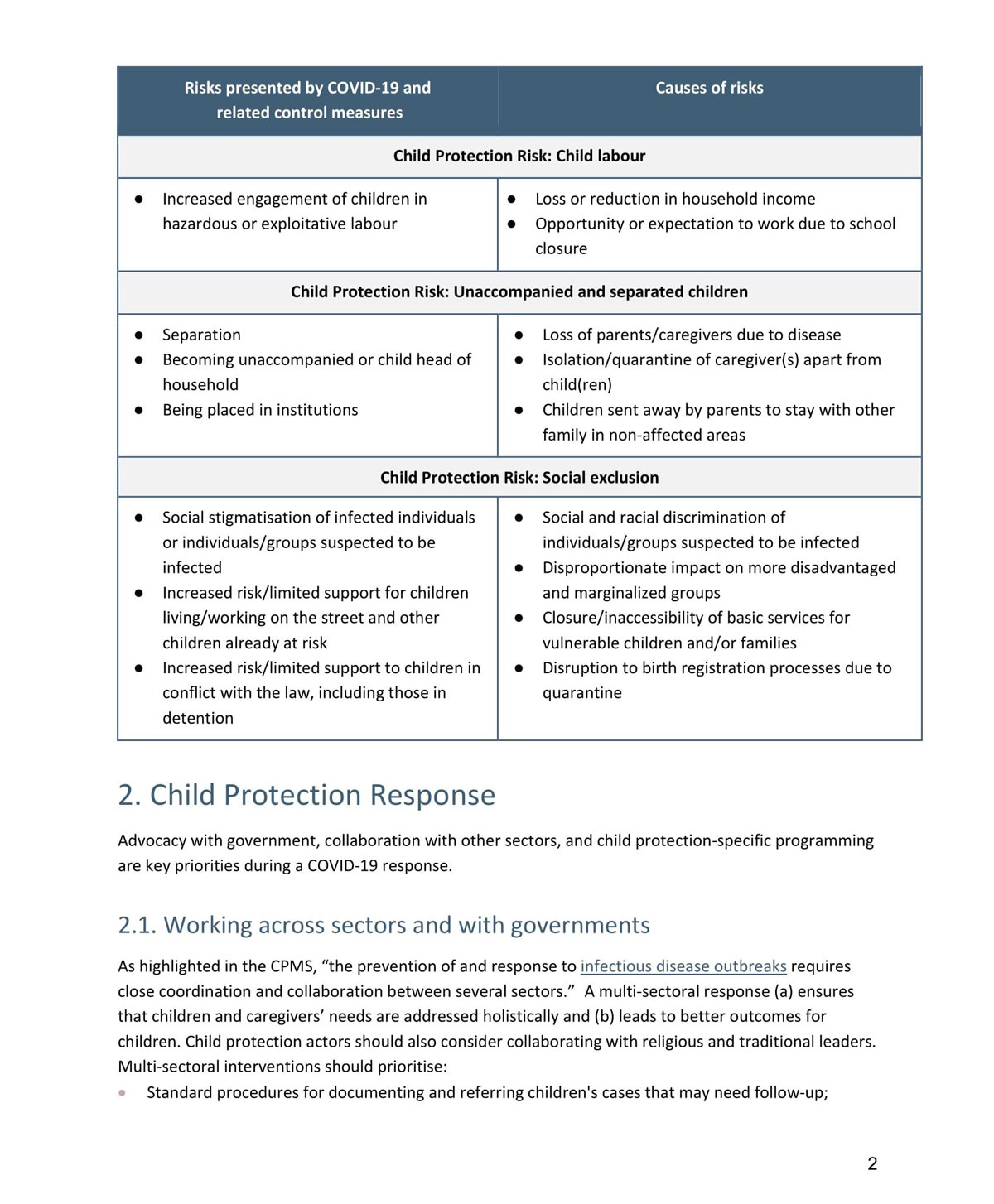
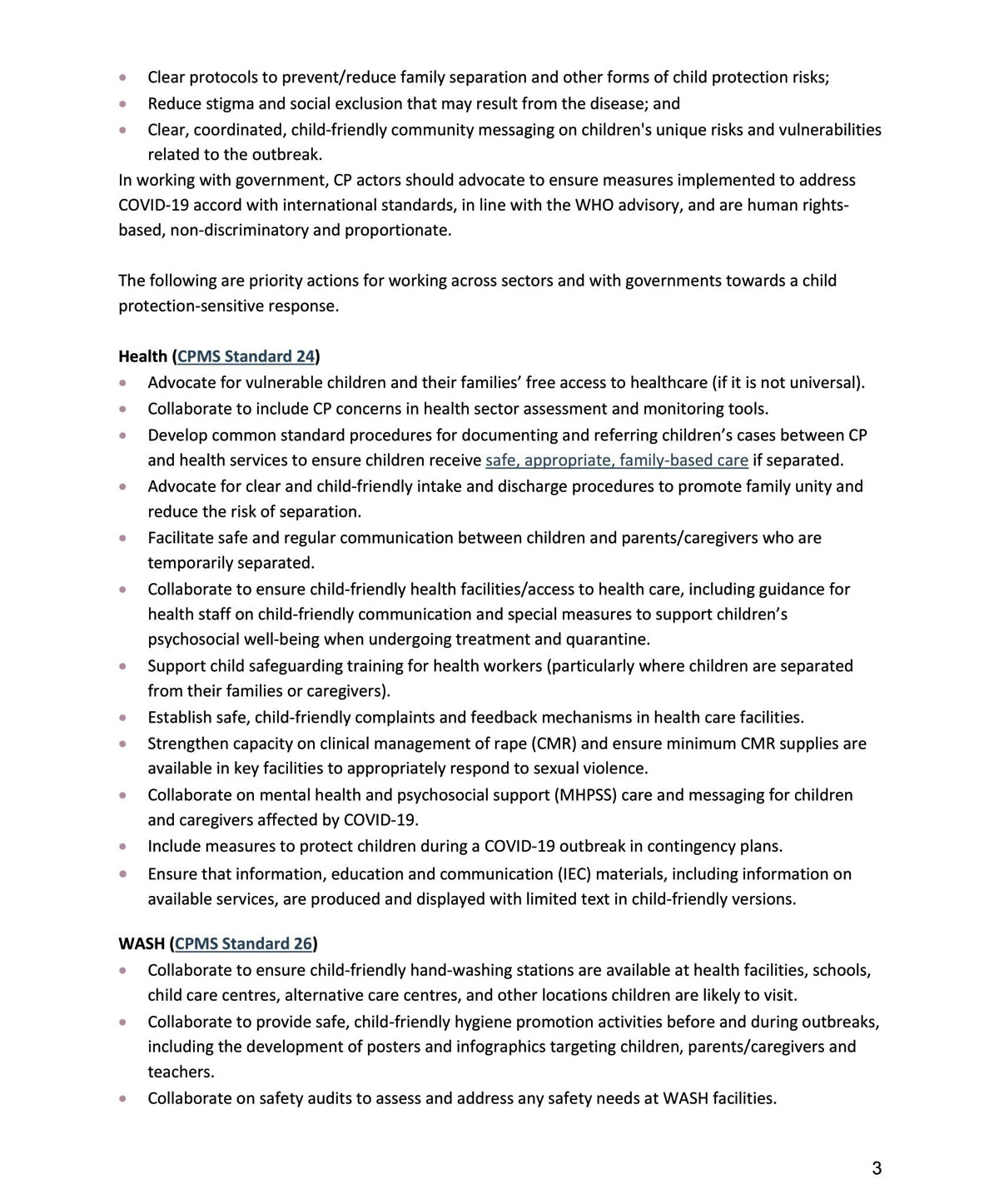
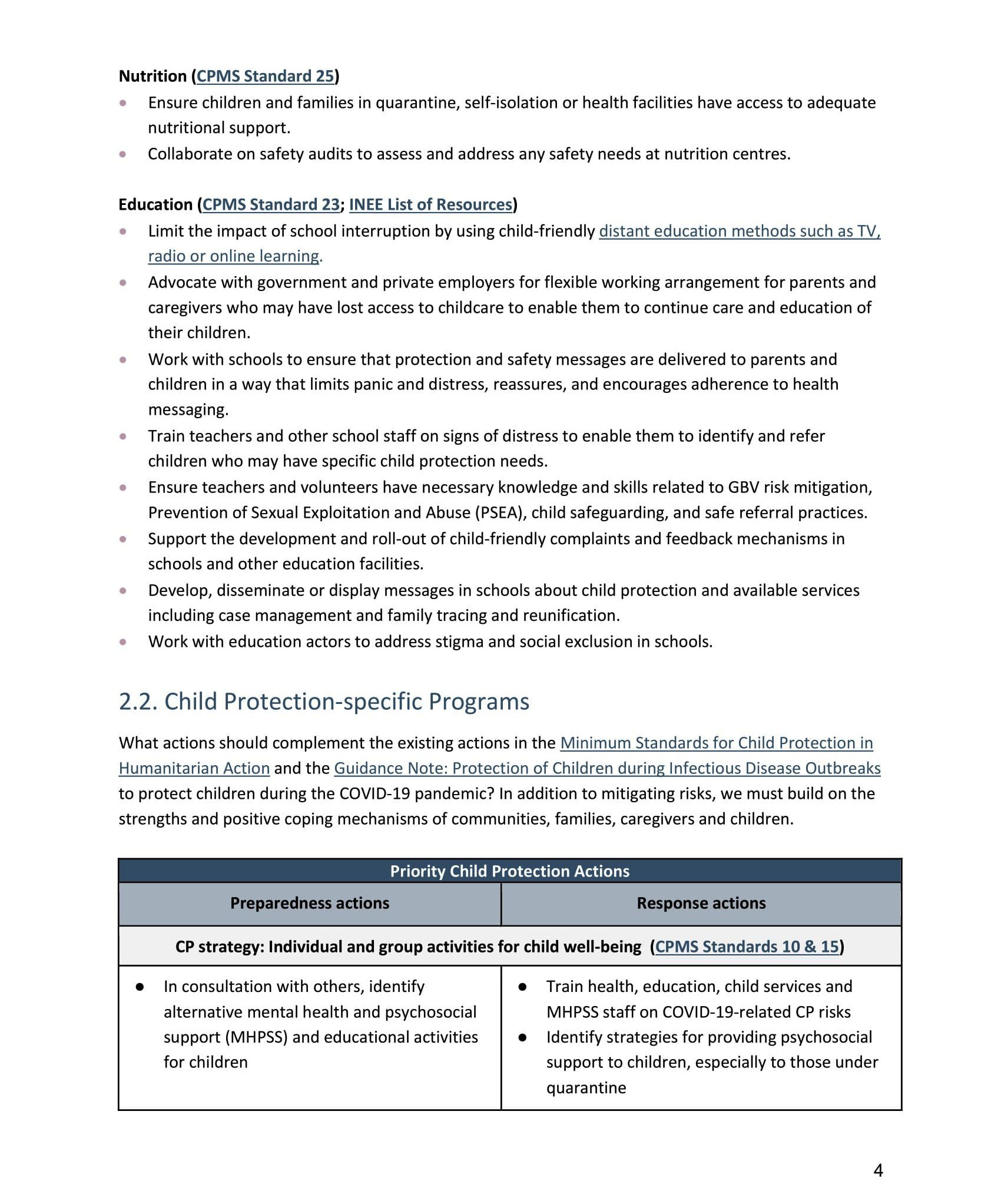
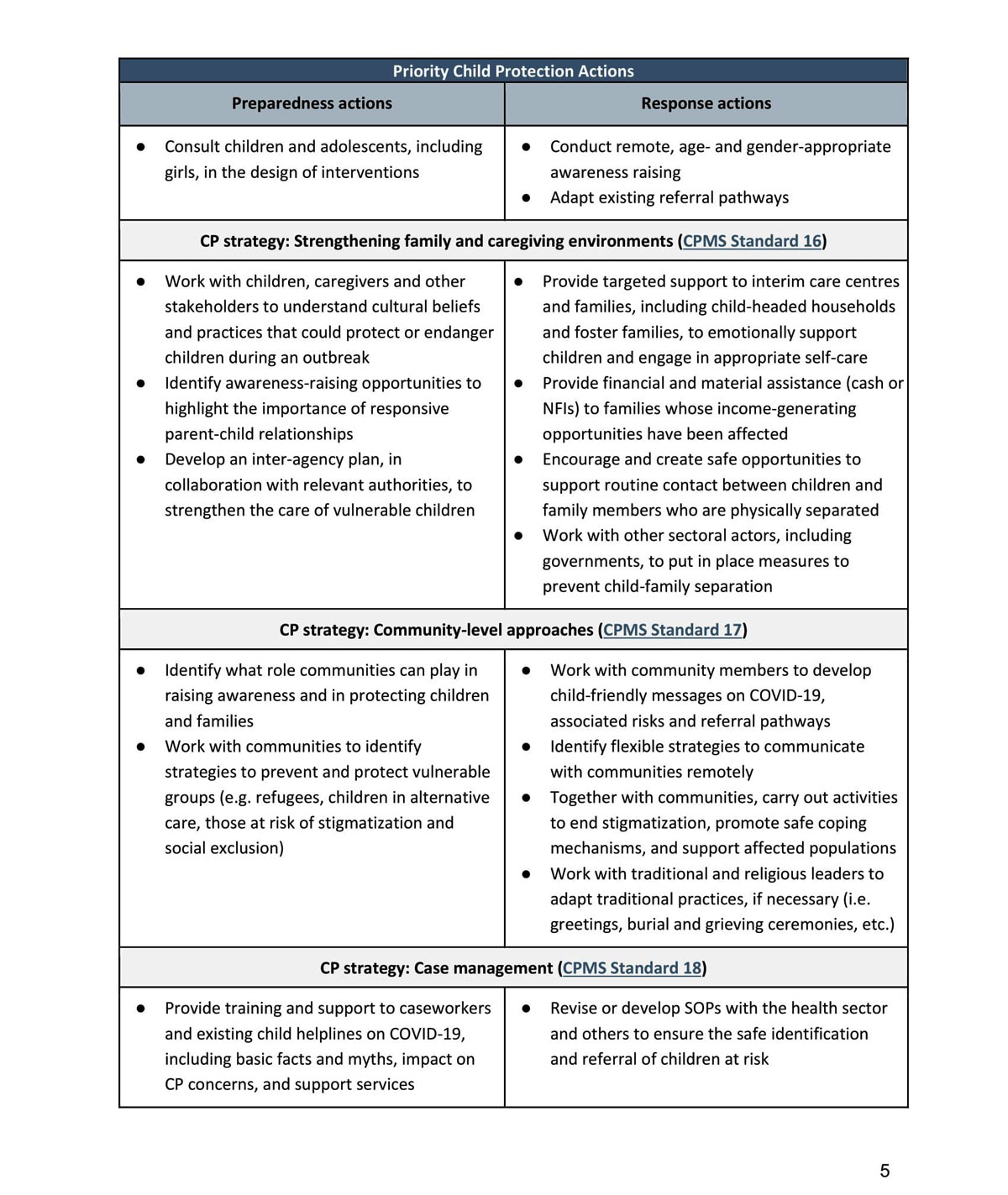
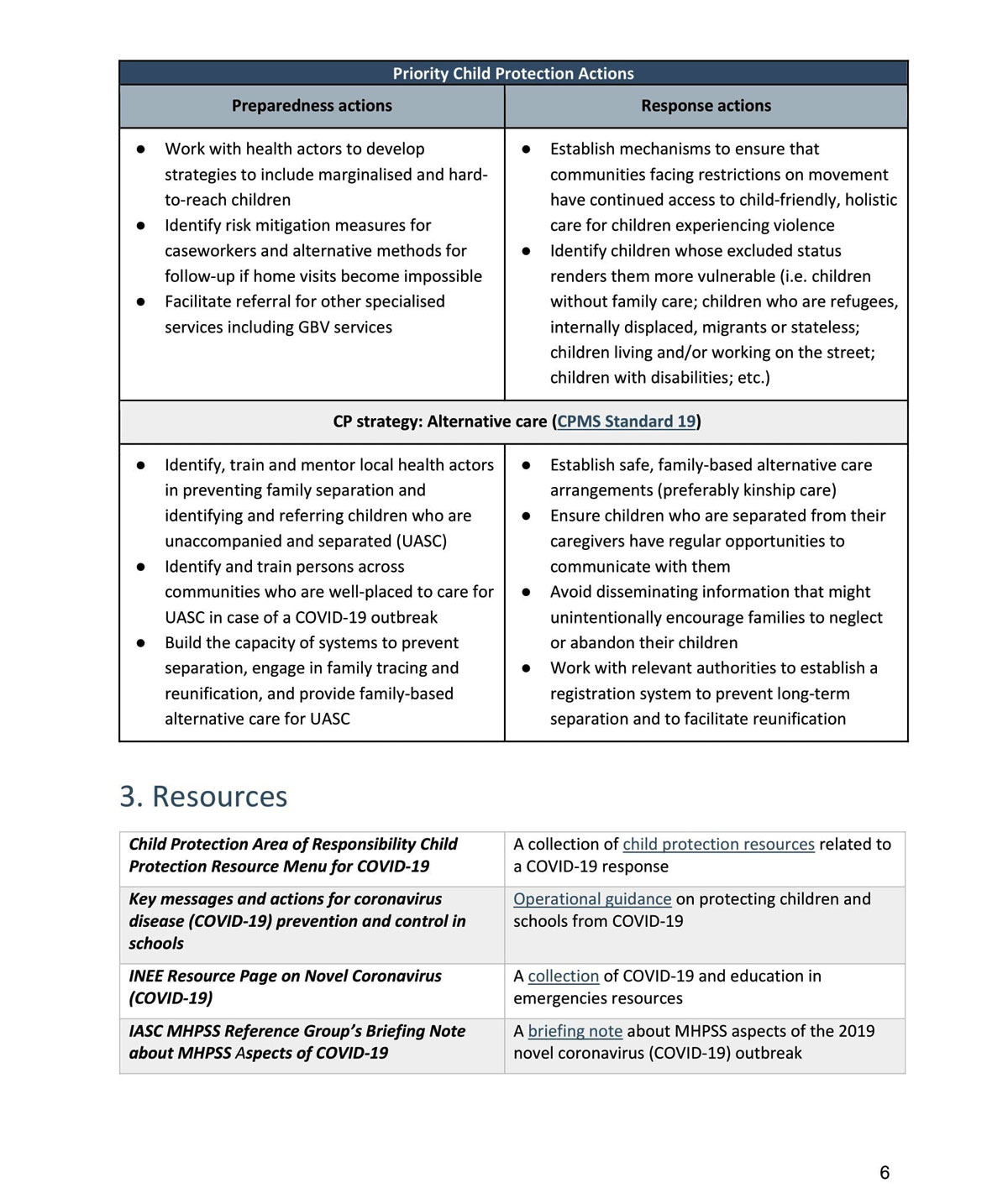
The UNICEF released a set of guidance titled Technical Note: Protection of Children during the Coronavirus Pandemic, prepared by the Alliance For Child Protection in Humanitarian Action, to support child protection practitioners for a better response to various risks during the pandemic.
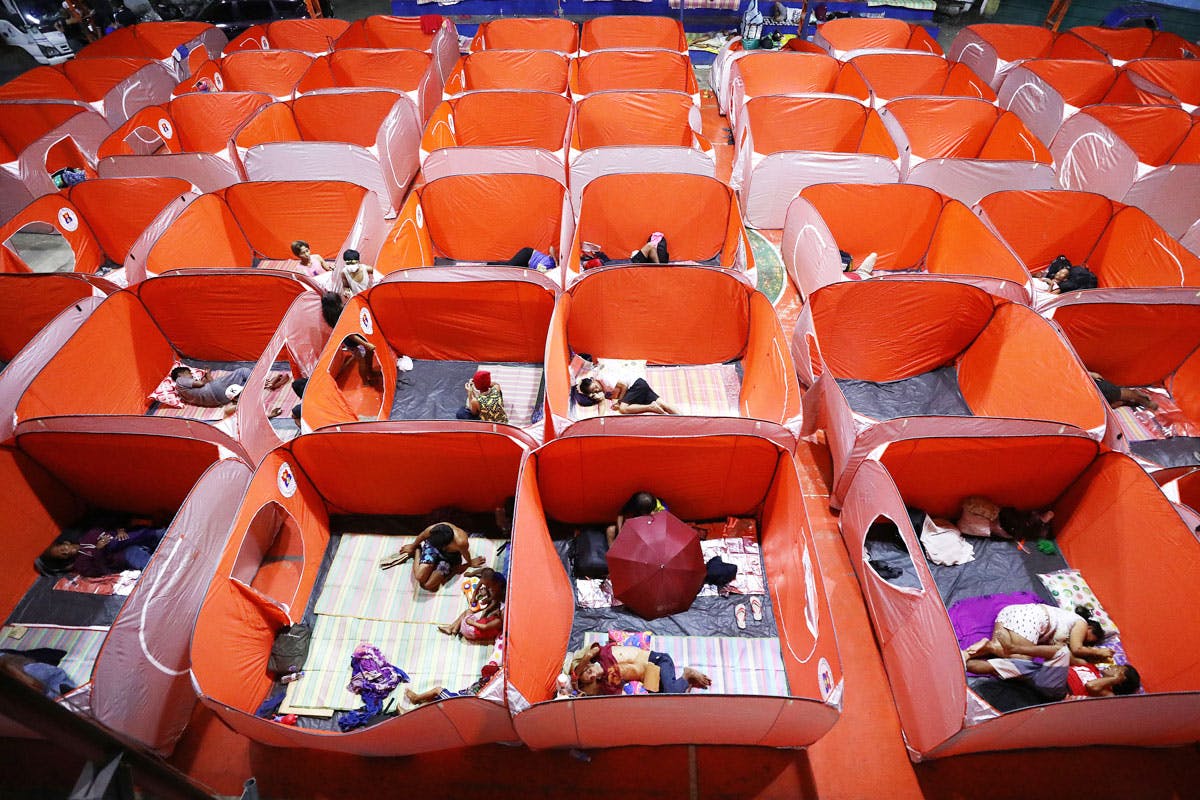
“Children and families who are already vulnerable due to socio-economic exclusion or those who live in overcrowded settings are particularly at risk,” the guidance read.
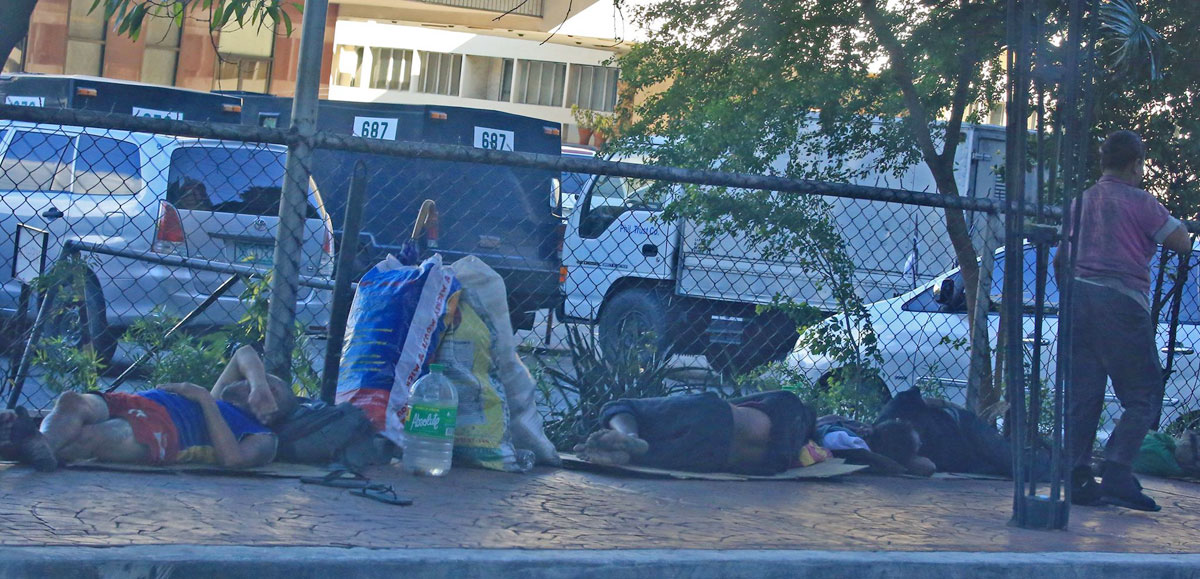
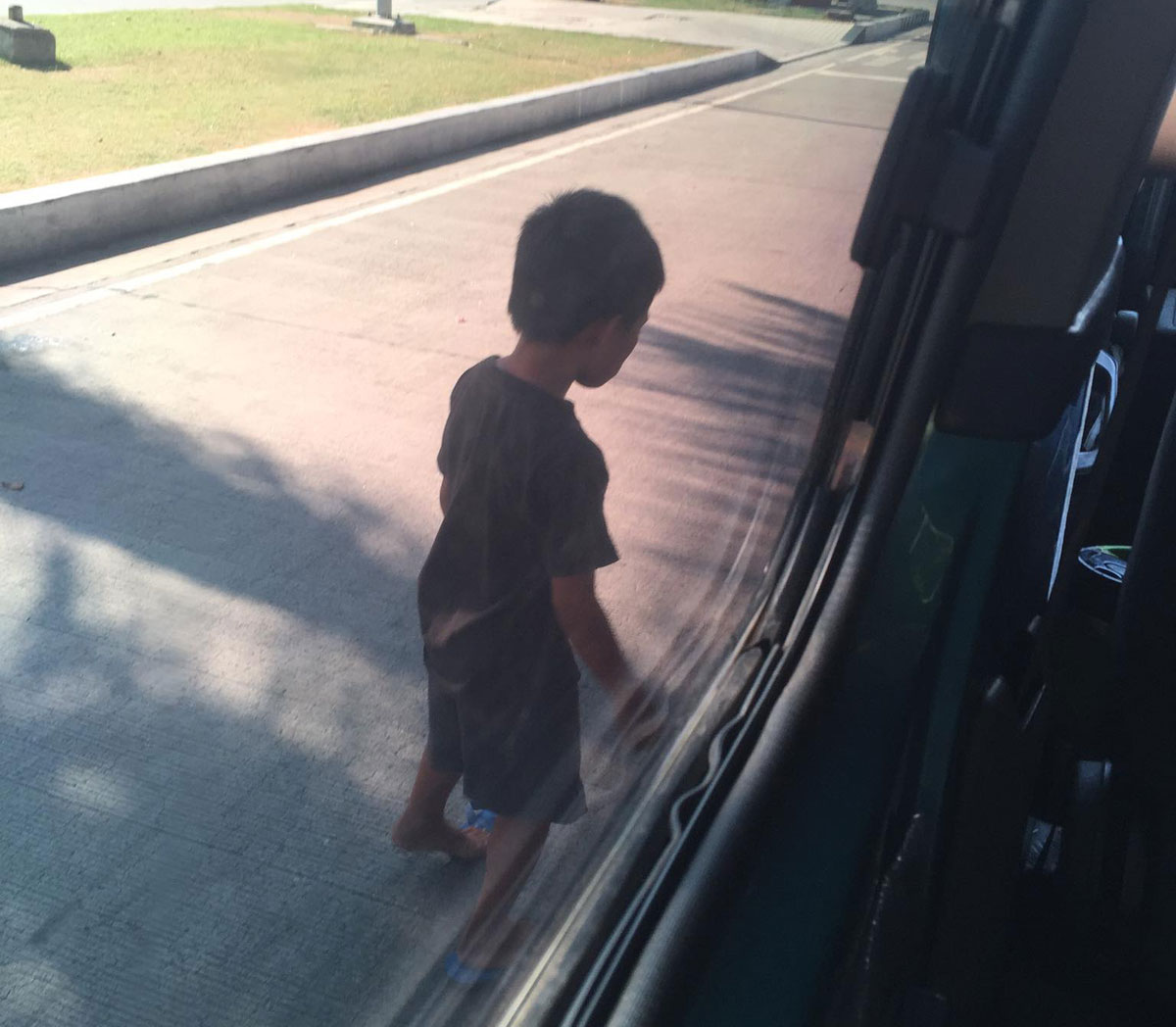
Cornelius Williams, UNICEF chief of child protection, noted that “in many ways, the disease is now reaching children and families far beyond those it directly infects.”
“Schools are closing. Parents are struggling to care for their children and make ends meet. The protection risks for children are mounting,” Williams said.
Aside from these, children could suffer stigma or exclusion and even separation and loss of parents or caregivers due to the disease, thus the importance of addressing their physical, emotional, mental, psychosocial and other needs.
“Ensure children and families in quarantine, self-isolation or health facilities have access to adequate nutritional support,” the guidance stated.
“Limit the impact of school interruption by using child-friendly distant education methods such as TV, radio or online learning,” it added.
On March 18, UN News quoted Luwei Pearson, acting director of UNICEF’s Health Program Division, as saying that it had been a learning curve for UNICEF, as well as for governments in different countries and for the international organizations, including the UN, in dealing with the pandemic.
“In the beginning, we thought it was a flu-like situation. Nobody anticipated that schools will be closed, factories will be closed, and borders will be closed,” Pearson said.
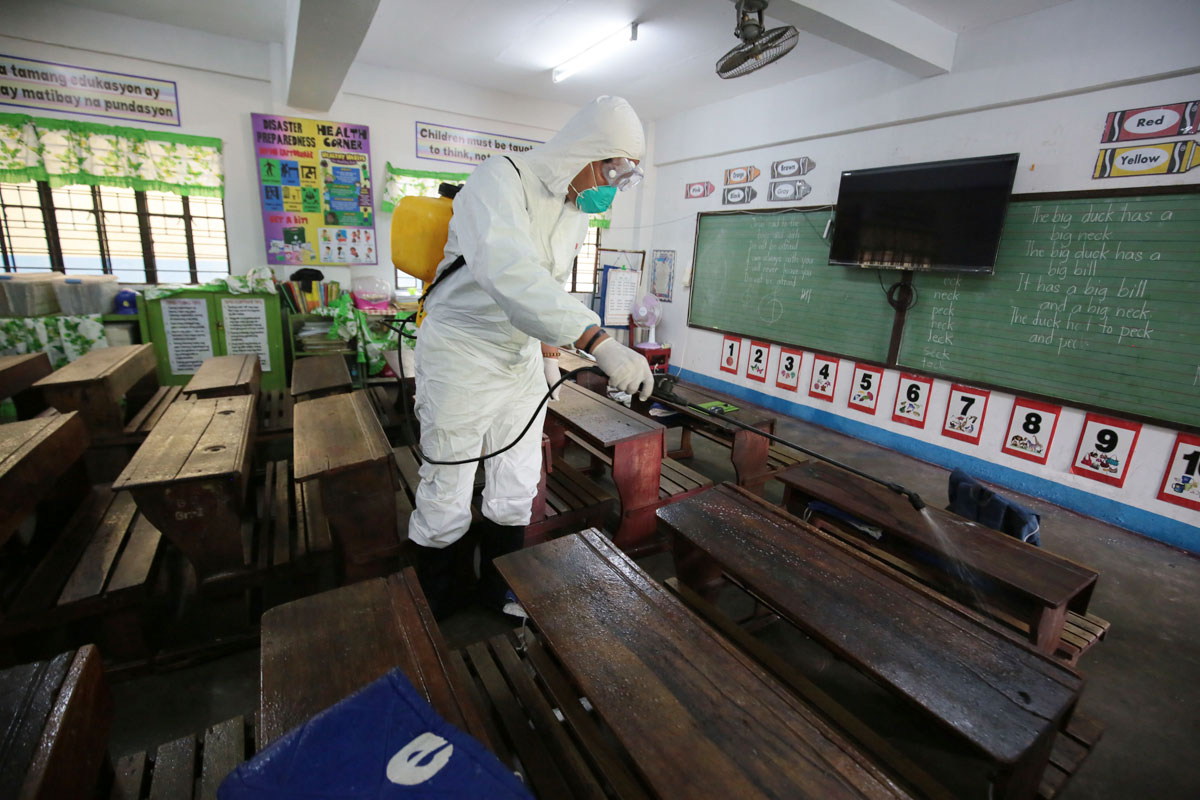
In developing countries, Pearson said, “what we are worried about is that the basics are not in place.”
“What do I mean by basics? Electricity, water to wash hands, water to perform surgery, water to clean the delivery rooms,” Pearson explained.
UNICEF executive director Henrietta Fore also stressed in a March 18 statement that “these are uncharted waters for all of us.”
“At UNICEF, we are fighting a new virus, debunking myths and battling misinformation, all while looking after the well-being of our staff and our own families,” Fore said.
In the Philippines, Rommel Fuerte, World Vision national director, emphasized that children are not exempted from the pandemic even if the elderly are considered to be the most vulnerable.
As of Sunday, March 22, the Department of Health had recorded 380 confirmed cases in the Philippines with 25 deaths. Fifteen of the patients recovered.
“This pandemic now gets to be more alarming and personal, as we could possibly lose our sons and daughters, our little nephews and nieces, and the generation of today from this dreaded outbreak,” Fuerte said in a statement on March 19. “And for a child, this intimidating outbreak more than meets the eye. It has become, for them, everything.”
According to Fuerte, experts highlight the importance of having a strong immune system in fighting diseases including COVID-19 in the long term and not just basic hygiene.
“We have to be intentional in prioritizing child well-being programs that seek to address the slow decline in prevalence of chronic undernutrition among children zero to five years old, as well as the strengthening efforts to address acute malnutrition,” Fuerte said.
“Access to sanitation, hygiene, and safe drinking water, both in development and emergency context is critical for health and nutrition and the reduction of public health risk, especially among children… How can we fight a deadly virus like COVID-19 if many of our schools and poor communities have no access to clean drinking water to start with?” he argued.
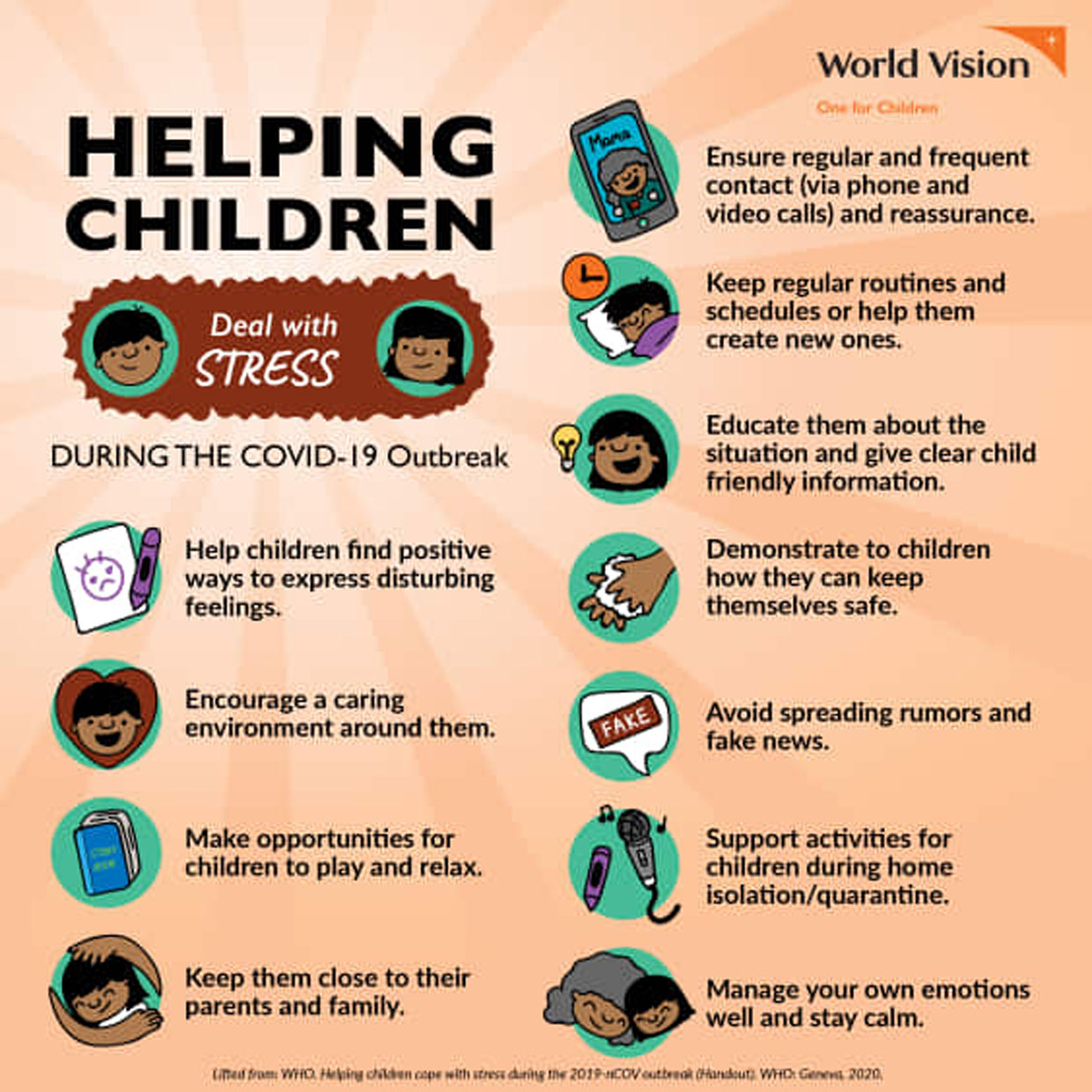
Fuerte underscored WHO’s advice to help children suffering from stress during a pandemic.
“During emergencies, it is common and normal for both adults and children to feel sad, nervous, upset, confused, afraid, or irritable, and talking to someone trusted like family members or friends will improve their mood,” Fuerte said.
“It helps that in dealing with children, one is calm and does not create panic, and is able to provide correct information and explain why the child needs to stay at home, wash hands and observe other safety measures. Likewise, the presence of another adult caregiver or relative that will take care of the children must be ensured.”
Related story: Tips To Help Comfort And Protect Children Amid The COVID-19 Pandemic